The Myth of the Recycled Flag:
Why 'Green' Polyester is Still Grey
At just 26, Niek van der Kuijl is taking on one of the most overlooked sources of microplastic pollution: flags.
Through his companies Better Flags and Hemptex, the Dutch entrepreneur is working to replace traditional polyester flags with scalable, biodegradable alternatives. Now, he is raising hundreds of thousands of euros to accelerate that transition—and challenge an industry that has remained unchanged for decades.
From an Overlooked Problem to “Environmental Confetti”
Flags are designed to withstand the elements. But that durability comes at a cost.
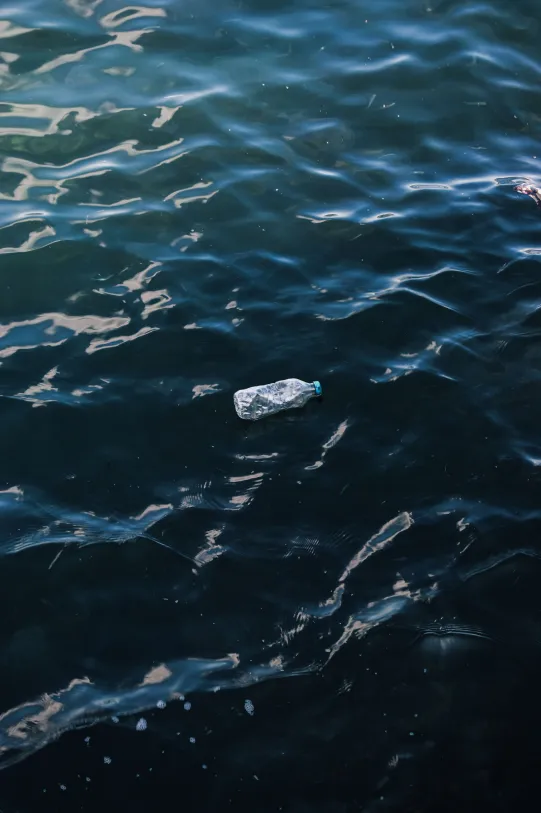
Most flags are made from polyester, a material that gradually breaks down under wind, rain, and UV exposure. Over time, fibers fragment into microplastics that disperse into the environment—ending up in soil, water, and eventually the food chain.
Van der Kuijl describes this as “environmental confetti”: a constant, invisible stream of pollution created by something meant to represent identity and pride.
The contradiction is striking—and it became the starting point for a new kind of flag.
Building a New Standard for Flags
Instead of improving existing products, Van der Kuijl chose to rethink them entirely.
In January 2026, he introduced two complementary solutions designed to address different parts of the market.
Hemptex
Hemptex focuses on fully natural, hemp-based flags. The material is biodegradable, durable, and positioned as a premium alternative for organizations seeking the highest level of sustainability.
Better Flags
For broader adoption, Better Flags offers a scalable solution. Using modified polyester technology, these flags are designed to biodegrade more effectively in natural environments—reducing long-term microplastic pollution while maintaining the performance businesses expect.
Together, the two brands combine innovation with accessibility.
Scaling Impact Through Accessibility
Sustainability only works at scale if it fits into existing systems.
That is why Better Flags is designed as a practical replacement for traditional flags—matching them in appearance, usability, and durability. The goal is not to reinvent how flags are used, but to improve what they are made of.
By lowering the barrier to adoption, Van der Kuijl aims to make responsible flags the new standard rather than a niche alternative.
Raising Capital to Accelerate Change
To bring this vision to a wider market, Van der Kuijl is raising around €200,000.
The funding will be used to scale production, expand distribution, and increase adoption among businesses and institutions. It marks a shift from early-stage innovation to broader market penetration.
A Different Approach to Marketing
For Van der Kuijl, sustainability is not a marketing angle—it is the foundation of the business.
Better Flags focuses on transparency, material innovation, and education rather than exaggerated green claims. The aim is not to criticize the industry, but to raise expectations.
In a market traditionally driven by price and volume, this approach introduces a new standard: responsibility.
Redefining What a Flag Represents
Flags have always been symbols—of nations, brands, and communities.
But symbols carry meaning beyond what is visible. If the materials behind them contribute to environmental harm, that meaning becomes conflicted.
By rethinking the product itself, Better Flags aligns visibility with responsibility.
And in doing so, it turns a traditional industry into one that reflects the values it represents.
See full article here: https://www.quotenet.nl/zakelijk/a70927375/better-flags-niek-van-der-kuijl-zoekt-tonnen/
Explore Our Latest Insights

In a Rush? Ready-to-Buy Flags Available
Adipiscing odio arcu auctor sed ut tortor nisi vulputate malesuada. Mi arcu ut mauris nec gravida. Ac varius parturient id lorem nascetur feugiat in mauris purus. Turpis sit nisl nisl phasellus. Mauris pharetra amet eget sagittis bibendum placerat eu velit duis. Eget.
Built to Last
From weaving in Germany to assembly in Austria and the Netherlands, every stage of Better Flags’ production is transparent and documented.
Sustainable and Traceable
All Better Flags are made from polyester enhanced with CiCLO®, sourced responsibly and exclusively from European suppliers.
Planet Friendly
Designed for a lifetime of use, Better Flags biodegrade naturally within approximately three years once discarded.
Awarded & Certified
Better Flags materials meet global standards for environmental responsibility, and carry OEKO-TEX® ECO PASSPORT certification.